
150 years of UK trademarks, what the register actually shows
The UK Intellectual Property Office marked 150 years of the UK trade mark registry this month. Their public-vote blog captured which brands resonate most with the British public. Rolls-Royce topped the poll. Cadbury and Twinings dominated food and drink. Burberry, the BBC, and London Underground represented quintessential British identity.
The IPO's piece tells the emotional story. The register itself tells a quantitative one.
We pulled the data and ran the numbers.
The Victorian cohort
Between 1 January 1876 and 31 December 1899, 2,446 trademarks were filed with the UK register. That's the first full generation of British trademark law, registered under the Trade Marks Registration Act 1875, which created the register, and the Patents, Designs and Trade Marks Act 1883, which extended its scope.
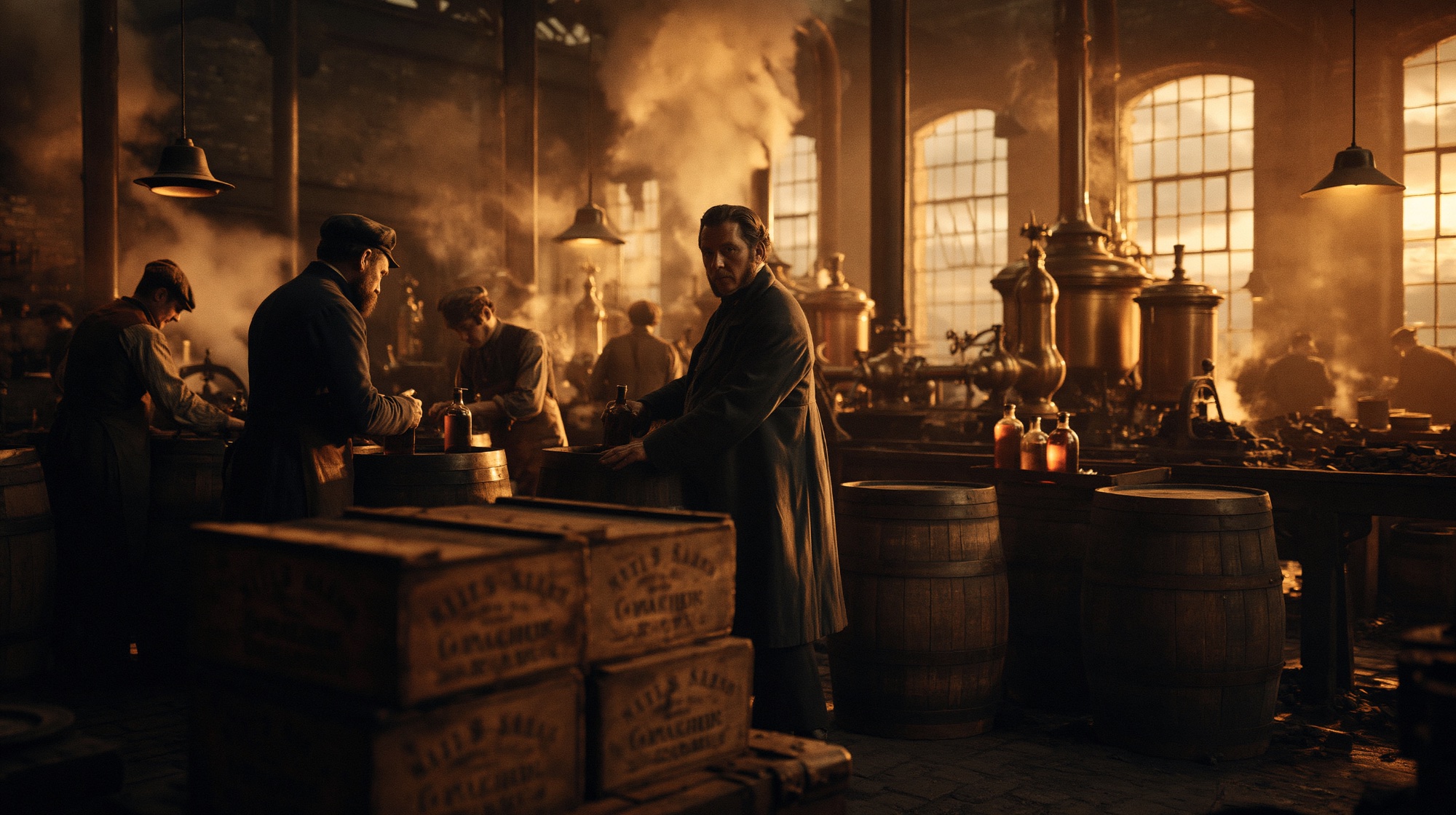
The cohort covered the Gilded Age of British industry. Railways were expanding. Whisky distilleries were professionalising. The chocolate industry was taking shape. British brewing was becoming a global export. These were the brands that defined late-Victorian consumer life.
Of those 2,446 Victorian trademarks, how many are still active on the UK register today?
The survivors
425. That's 17.4%.
One hundred and twenty-seven years or more of continuous renewal. These marks survived two world wars, the Great Depression, the 1956 trade marks reform, the 1994 Trade Marks Act, and the transition from paper to digital registration.
The other 2,021 marks are gone. 1,994 marked as dead, 18 removed from the register, 6 expired, 3 cancelled, 1 merged.
Put another way, roughly 82% of Victorian-era brand identity has vanished from the register. The survivors are the minority, and what they have in common tells a story about which kinds of brand endure.
What the survivors have in common
The class distribution of the 425 surviving marks is strikingly concentrated.
Class 33 (alcoholic beverages) accounts for 98 survivors. Class 32 (beers and non-alcoholic drinks) accounts for 81. Class 30 (coffee, tea, confectionery) accounts for 54. Between them, these three food-and-drink classes represent 55% of all Victorian trademarks that made it to 2026.
After that come cosmetics and cleaning (36), pharmaceuticals (33), meat, fish and dairy (29), hand tools (23), household utensils (20), tobacco (20), and paper and printed matter (18).
What's notably absent from the top ten is telling. No fashion. No footwear. No jewellery. No toys. No publishing. No transport. No professional services. The Victorian brands that endured were overwhelmingly in consumables and tools. Categories where brand identity does quiet work across generations of buyers who might not even notice they're loyal.
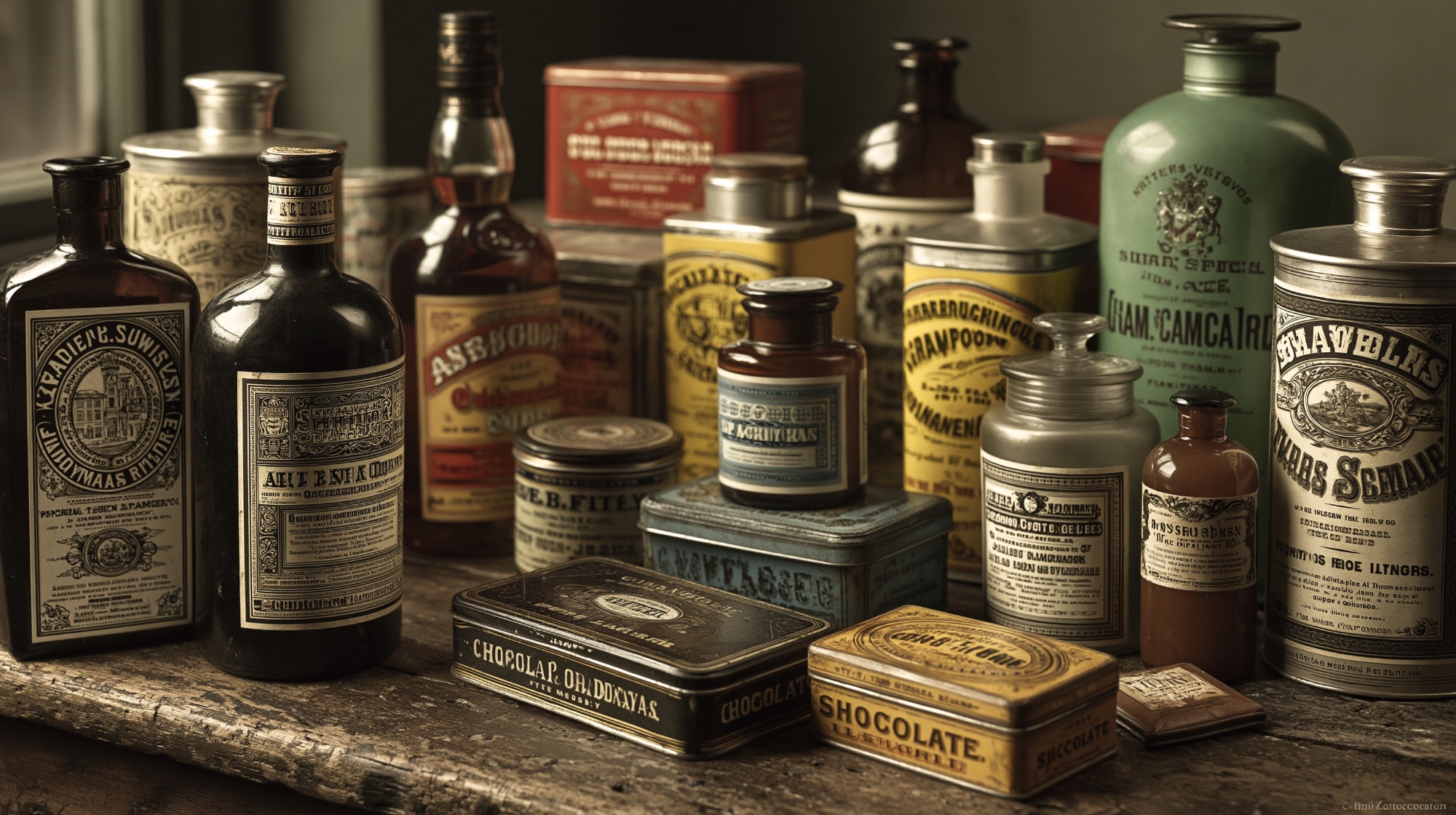
Alcohol dominates. Victorian whisky, beer, and spirits labels registered in the 1870s and 1880s are still actively traded today. Bass, registered as UK00000000001 on the first day the register opened on 1 January 1876, is among the survivors. So are Johnnie Walker and dozens of brewery and distillery marks whose parent companies have been through a century of mergers, acquisitions, corporate collapses, and national sales.
What this suggests about brand longevity
The pattern suggests that brand endurance is not primarily about marketing strength or conscious consumer loyalty. It's about category stickiness.
You drink Cadbury's or Twinings' without thinking. You pour yourself a Bass or a Johnnie Walker because the ritual is older than your own life. These are brands that operate below the level of conscious preference, which is exactly why they survived the last 127 years of commercial disruption.
By contrast, Victorian-era fashion brands have almost all vanished. Toys, novelty goods, and publishing marks have thinned out dramatically. These are categories where consumer preference turns over quickly, and turnover is the enemy of trademark survival.
There's a practical observation in this for brand owners today. The trademarks most likely to still be worth something in 2150 are probably not the flashy ones. They're the quiet, category-anchored, habitually-consumed ones.
What the register shows, beyond the numbers
The IPO's 150-year milestone is a reminder of how much history the register holds. The Victorian cohort alone contains 425 marks that predate the motor car, the aeroplane, radio broadcasting, and commercial aviation. They predate both world wars. They predate the NHS.
Every mark on the register today will eventually face the same statistical judgement. The 400,000 trademarks filed in the UK in the past year will, based on Victorian survival patterns, mostly be gone by 2126. A small minority, probably concentrated once again in consumables and tools, will still be trading.
For brand owners filing today, that's a useful framing. Trademarks are not forever. The ones that last tell you something about which kinds of business actually endure.
How we did this
TMGuard maintains a continuously updated copy of the UK IPO register, sourced directly from the Intellectual Property Office. The analysis in this post used every UK trademark filed between 1 January 1876 and 31 December 1899, cross-referenced against current register status as of April 2026.
If you want to monitor your own trademarks against the UK, EU, and US registers, TMGuard plans start at £99 a year. Check your brand here.