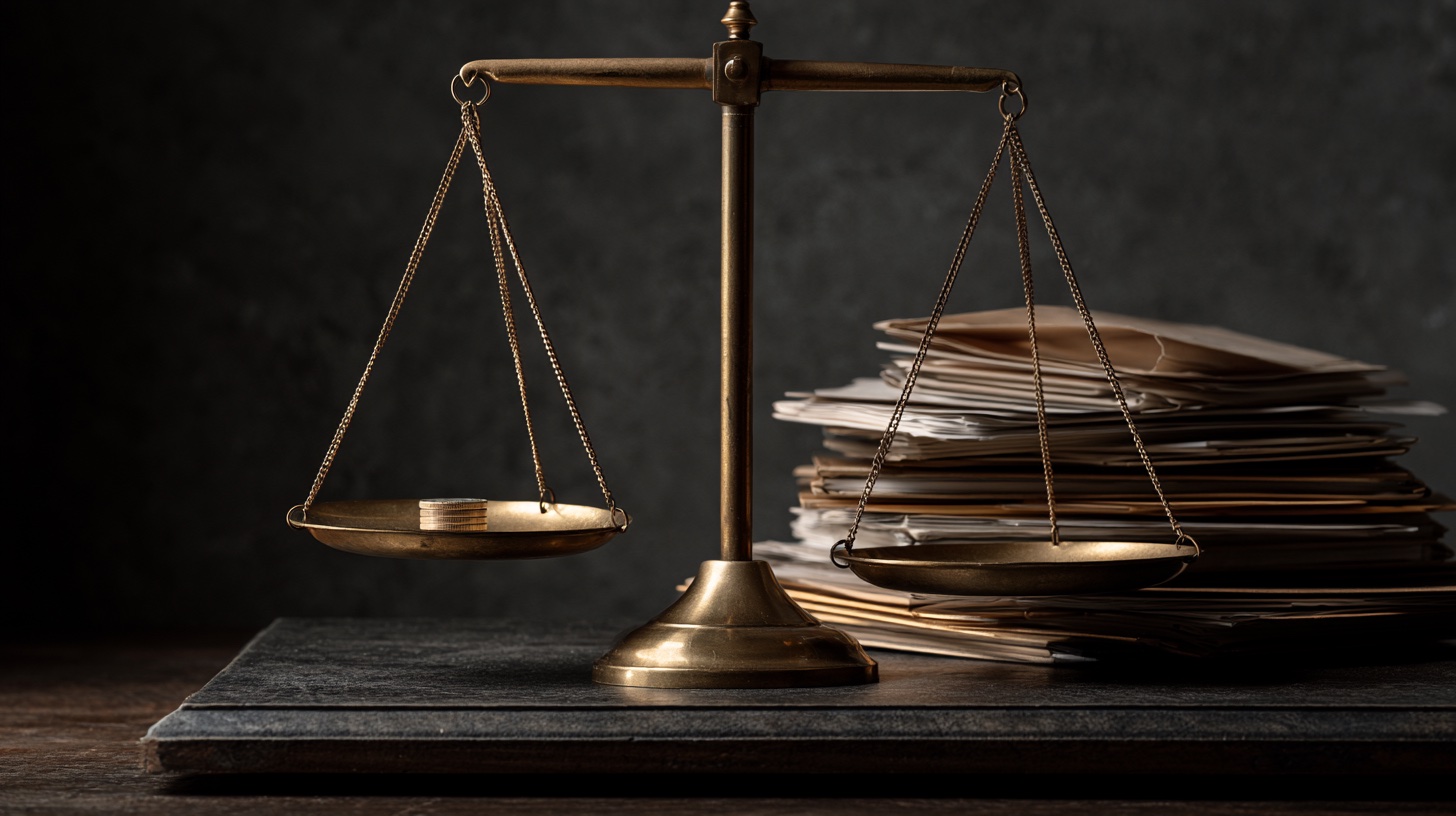
TickTickTrader beat TikTok. The costs award tells the real story
On 19 February 2026 a hearing officer at the UK Intellectual Property Office dismissed TikTok's opposition to the trade mark TICKTICKTRADER in full (decision O/0133/26, opposition 442257, application UK00003898845). A trading-education company based in the Isle of Man had stood its ground against the UK arm of ByteDance and won outright. TikTok was ordered to pay costs.
The press covered it as a David and Goliath story, which it is. Several outlets called it a copyright case, which it is not. It was a trade mark opposition, decided under the Trade Marks Act on likelihood of confusion and reputation. The distinction matters, and the fact that national technology desks routinely blur the two is its own small lesson about how poorly understood this area is by the people writing about it.
What is also worth getting right is how TickTickTrader won, because it was not the easy way. The hearing officer found the marks visually and aurally similar to a medium degree, found the services identical (the applicant admitted this), and found TikTok inherently distinctive to a high degree. Every one of those findings points toward the opponent. The application survived on a single pivot: the marks were held conceptually dissimilar. TikTok reads as the sound of a clock; "tickticktrader" reads as a trader ticking off positions. No clock, no link, no confusion. They won despite the similarities, on concept, against identical services and a famous mark. That is a narrow win, properly reasoned, not a walkover.
But the detail worth your attention is none of that. It is the costs figure: £1,700.
Why £1,700 is the real story
TickTickTrader won, completely, and was awarded one thousand seven hundred pounds. That will not have covered a meaningful fraction of what two years of defending an opposition actually cost a 50-person company in legal fees and founder time.
This is not a quirk of the case. UK IPO proceedings award costs on a fixed scale, not on actual spend. The breakdown in the decision is the tell: £300 for the counterstatement, £600 for the evidence rounds, and £800 for preparing for and attending the hearing. That £800 is the entire award for a contested oral hearing in which the applicant was represented by counsel. Anyone who has paid for a barrister and the preparation behind a day before a tribunal knows what that actually costs, and it is not £800.
The scale is deliberately modest, set to discourage parties from treating costs as a weapon, and it means the winning side in a contested opposition routinely recovers a small fraction of what it spent. So the headline "TikTok ordered to pay costs" is true and almost meaningless as compensation. TickTickTrader carried the real cost of winning itself.
Sit with what that means. Even in the best possible outcome, total vindication against a far larger opponent, the small business is materially out of pocket. The asymmetry the press celebrated as a triumph is, read properly, a warning.
The playbook this rewards
The reason a large brand can send a 14-day cease-and-desist letter to a company a fraction of its size is that the letter works regardless of merit. The recipient does the maths: capitulate now, or spend two years and an unrecoverable five or six figures proving they were right, to recover £1,700 at the end. Faced with that, most small businesses fold on claims that would have failed if tested. TickTickTrader is notable precisely because it is the exception, not the rule.
So the lesson is not the comfortable one the coverage reached for, that you should stand your ground and you will be fine. You might stand your ground, be entirely right, win, and still be worse off than if the dispute had never happened. The honest lesson is narrower and harder: the economics of being right are punishing, so the only version of this fight that favours a small business is the one caught early and resolved cheaply.
Where timing changes the maths
A trade mark conflict has a cheap phase and an expensive phase, and the gap between them is enormous.
The cheap phase is the two-month opposition window after a conflicting mark is published. Filing an opposition in that window costs an official fee of £125, or £250 with other grounds, and a contained amount of professional time. You are engaging the dispute on the structured, evidence-led process the IPO provides, where, as TickTickTrader shows, reputation alone does not win and the law applies regardless of how many zeros are in the other side's legal budget.
The expensive phase is everything after that window closes. Once a conflicting mark registers unopposed, your options narrow to invalidation actions, infringement proceedings, or living with the conflict, all of which cost more, take longer, and recover less. The two-year defence TickTickTrader endured was the expensive phase. It won anyway, but it paid the expensive-phase price.
The thing that determines which phase you are in is one fact: did you know the conflicting application existed while the cheap window was still open. That is the entire game. A small business that finds out about a damaging filing eighteen months late has already lost the affordable option, regardless of how strong its position is. One that finds out within the opposition window gets to fight on the favourable terms TickTickTrader's process embodied, at a fraction of the cost.
The English courts have started saying this explicitly. In Dryrobe v Caesr Group in 2025 the court endorsed continuous, technology-driven brand monitoring as a reasonable and expected practice for a rights holder. The direction of travel is clear: knowing what is being filed against you, in time to act, is moving from a luxury to a baseline expectation.
What to take from it
TickTickTrader did everything right and still paid to win. That is not a reason to capitulate, the opposite, it is a reason to make sure that if you ever have to fight, you are fighting in the cheap phase, not the expensive one. Stand your ground, but stand it early, while the structured process and the modest fees are still available to you.
The win is the headline. The £1,700 is the lesson. And the difference between the two is almost entirely a question of how soon you knew.
If you own a registered trade mark, the single most useful thing you can do is make sure you find out, within the opposition window, when something is filed that could affect it. That is the whole of it.