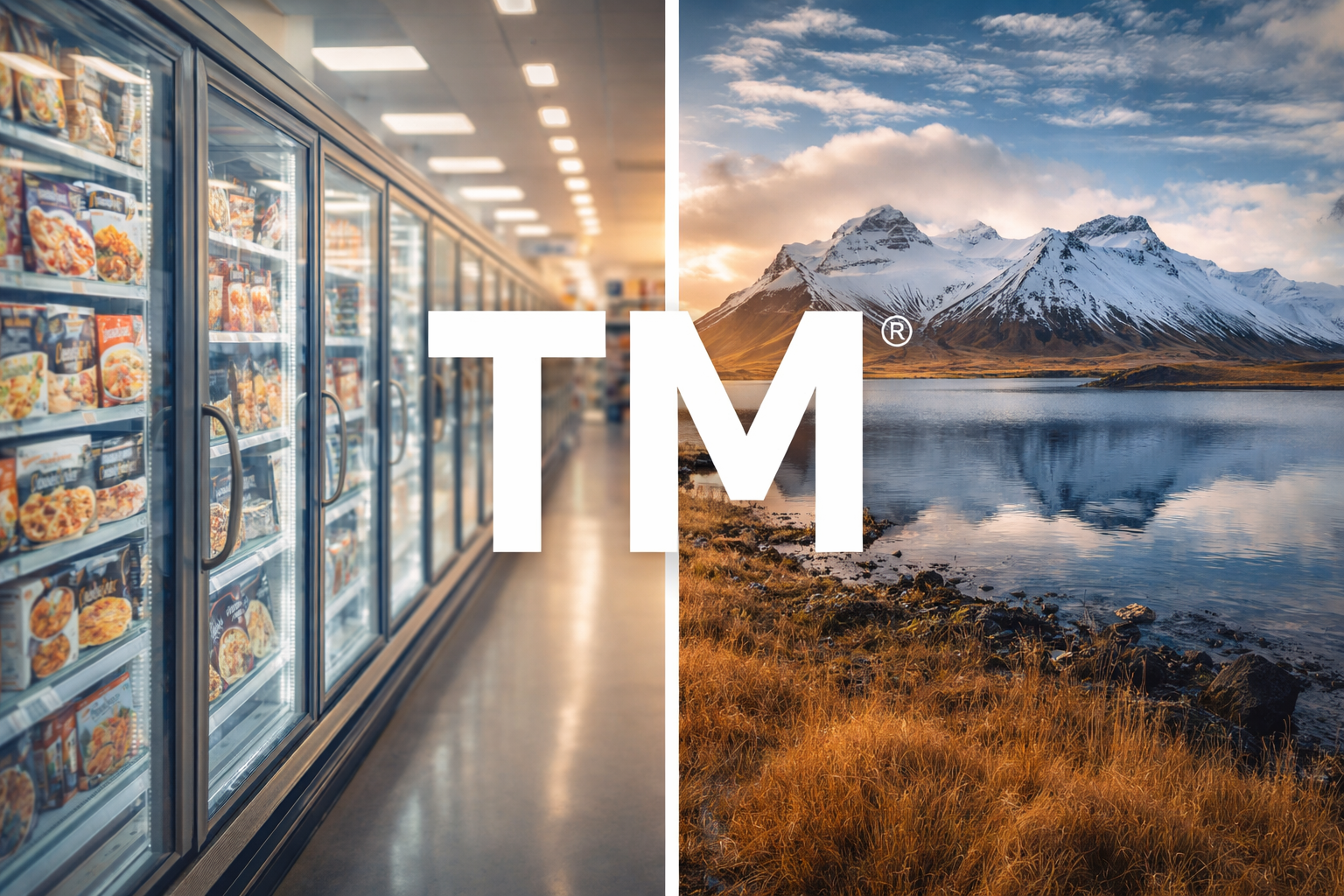
Iceland supermarket ends decade-long trademark battle with Iceland the country
The UK supermarket chain Iceland has formally ended its decade-long legal battle with the Nordic nation of the same name, bringing one of Europe's most unusual trademark disputes to a close.
After suffering its third defeat in European courts in July 2025, the frozen food retailer confirmed it would abandon further legal action. Richard Walker, the company's executive chair, was blunt about the decision: the company lost for a third time and decided to throw in the towel.
Instead of spending another couple of hundred thousand pounds on yet another appeal, Iceland plans to redirect the money toward a "rapprochement discount" offering shopping vouchers to Icelandic consumers.
How the dispute started
The legal conflict began in 2016, when the government of Iceland launched proceedings against the British supermarket over its EU-wide trademark registration for the word "Iceland."
The country argued that the supermarket's ownership of the trademark prevented Icelandic businesses from properly promoting products abroad under their own country's name. Officials in Reykjavik contended that geographical names should remain available for public use and not be monopolised by private companies.
The court's ruling
The EU General Court agreed. It ruled that geographical names should remain accessible to businesses and organisations linked to that location and cannot normally be reserved exclusively by a single company. The judgment stripped the British retailer of its exclusive EU trademark rights, although it didn't require the supermarket to change its name.
Walker acknowledged a new concern: competitors could now potentially use the Iceland name themselves. But the company decided the cost of continuing to fight outweighed the risk.
What this means for brand owners
This case highlights several important principles that every trademark owner should understand.
Geographic names are inherently risky as trademarks. Courts across Europe have consistently held that place names should remain available for public and commercial use. If your brand is named after a place, your exclusive rights may be more limited than you think.
Trademark disputes are expensive and slow. Iceland the supermarket spent nearly a decade and significant six-figure sums fighting this case through multiple rounds of European courts. Early monitoring and strategic decision-making can help you avoid protracted battles.
Losing trademark protection doesn't mean losing your name. The supermarket can still trade as Iceland. But it can no longer prevent others from using the word across the EU, which creates a different kind of risk.
Monitoring matters more when your protection is weaker. Walker explicitly flagged the concern that "other people now have the ability to open shops and call it Iceland." When your exclusive trademark rights are reduced, active monitoring of new filings becomes even more critical to catch potential conflicts early.
The bottom line
Whether you're a multinational retailer or a UK small business, trademark protection isn't something you set up once and forget. Markets shift, competitors emerge, and legal landscapes change. The earlier you spot a potential conflict, the more options you have and the less it costs to resolve.
TMGuard monitors the weekly UK IPO journal for new trademark filings that could conflict with your brand, so you find out in time to act rather than after it's too late.
Not legal advice. Not privileged. TMGuard is not a law firm.